Brain Building Blogs

What is an Adolescent?
To answer the question, ‘What is an Adolescent?’ we will discuss the features of adolescence and how they make adolescence a unique developmental period deserving of dedicated support.
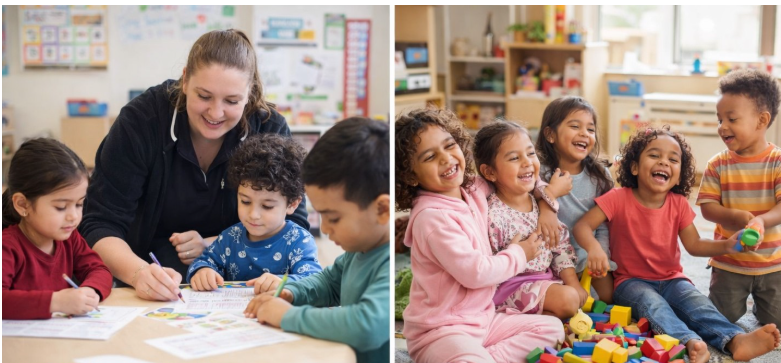
Child-directed and Adult-directed Play
In this blog we will be discussing the importance of adult-directed and child-directed play and their impact on a child’s brain development.
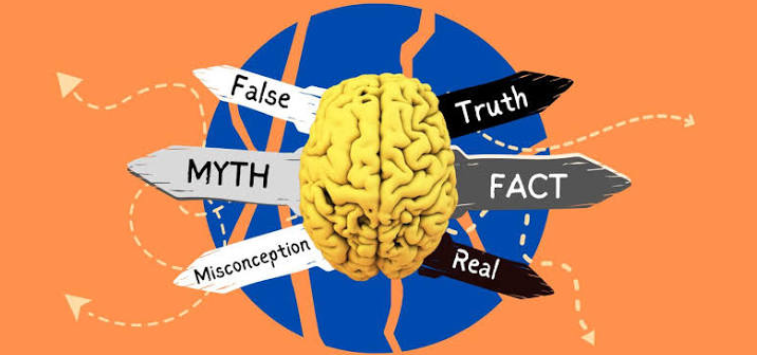
Busting Common Myths About the Brain
In this post, we dive into eight common myths about the brain, and explain what scientific research actually tells us.
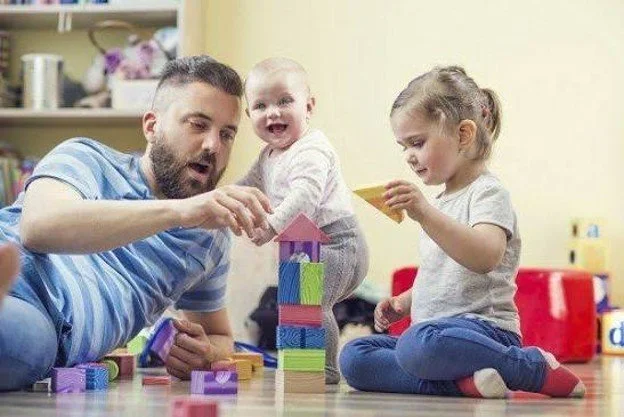
How do siblings affect one another’s brain development?
This blog seeks to explore how sibling relationships help shape development through childhood into adulthood, specifically the development of a child’s, emotional regulation and social skills, through conflict, parent-sibling interactions and pretend play.
The Benefits of Playing an Instrument
This blog post will highlight some of the benefits of learning to play an instrument and the resulting impacts on your brain!
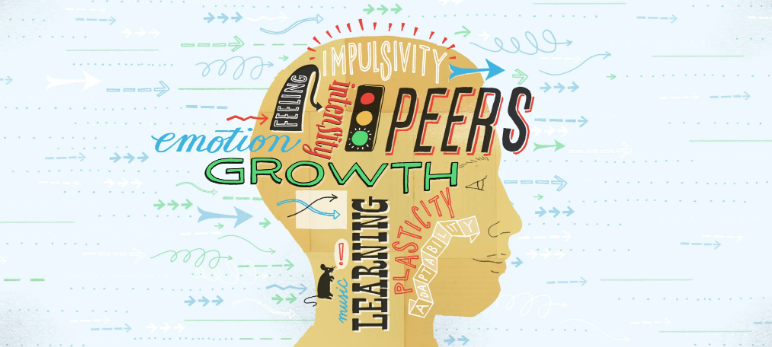
Understanding Adolescent Brain Development
Adolescence is a major period of transformation in brain development. Although teenagers may begin looking and acting more like adults, their brain is still undergoing important reconstruction. Understanding these changes can help parents, caregivers, and educators better support teenagers.
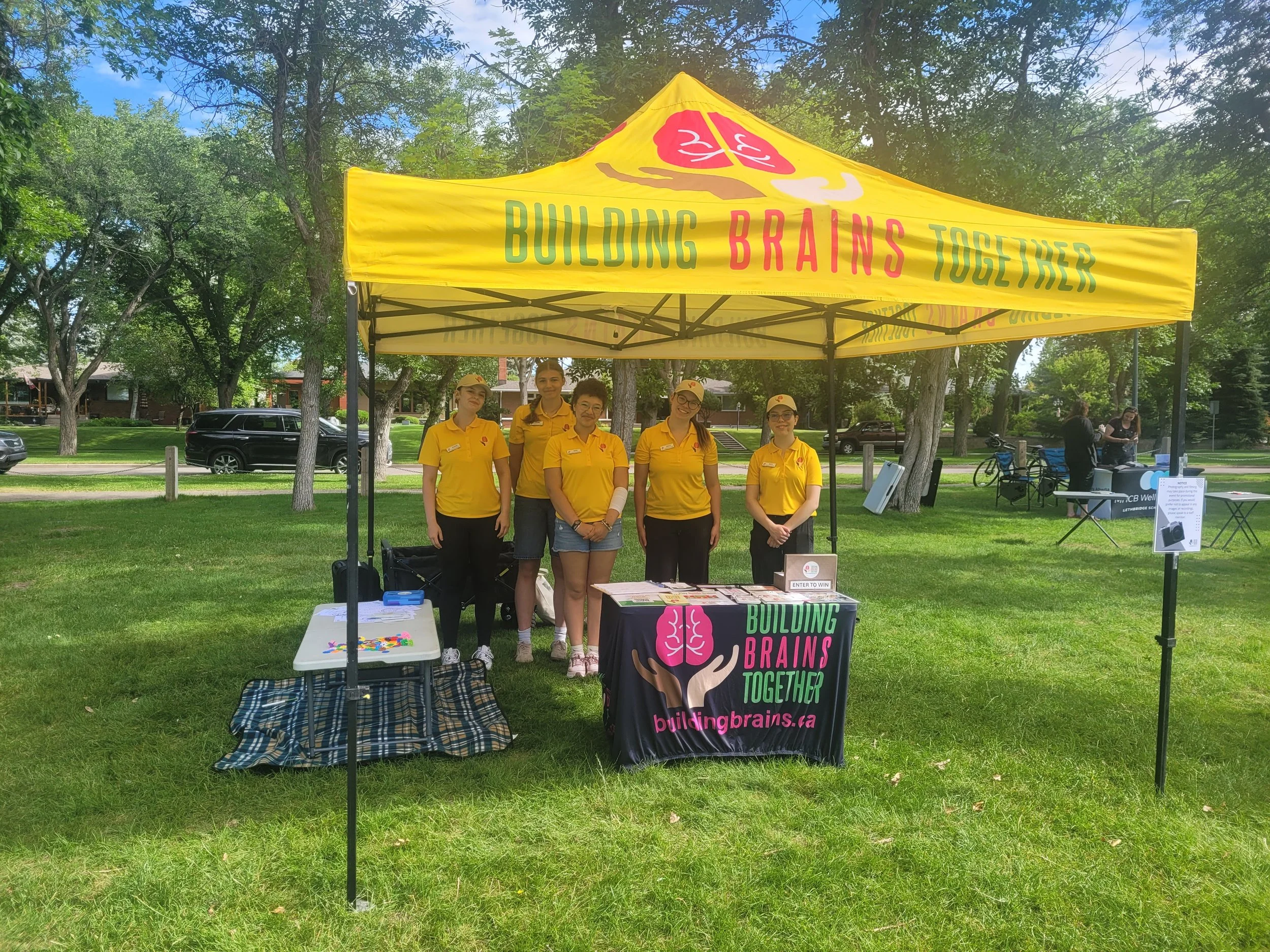
What I’ve Learned Working for Building Brains
Find out what Niobe, one of our Building Brains Together summer staff, has been learning this summer through her work and play.
Guide to learning a language later in life
Research has found that having a second language helps maintain your cognitive abilities as you age. This blog offers helpful steps to get started learning a new language.

What Makes an Indigenous Athlete? Beyond Physical Skill
Real athletic growth happens when kids feel like they truly belong while being grounded by their language, their mentors, and the land beneath their feet. In this blog you’ll learn about two Indigenous athletes experience in sport and how positive experiences and relationships can building athletes brains, lifting up their spirits, and helping them grow into awesome people long after the game is over.
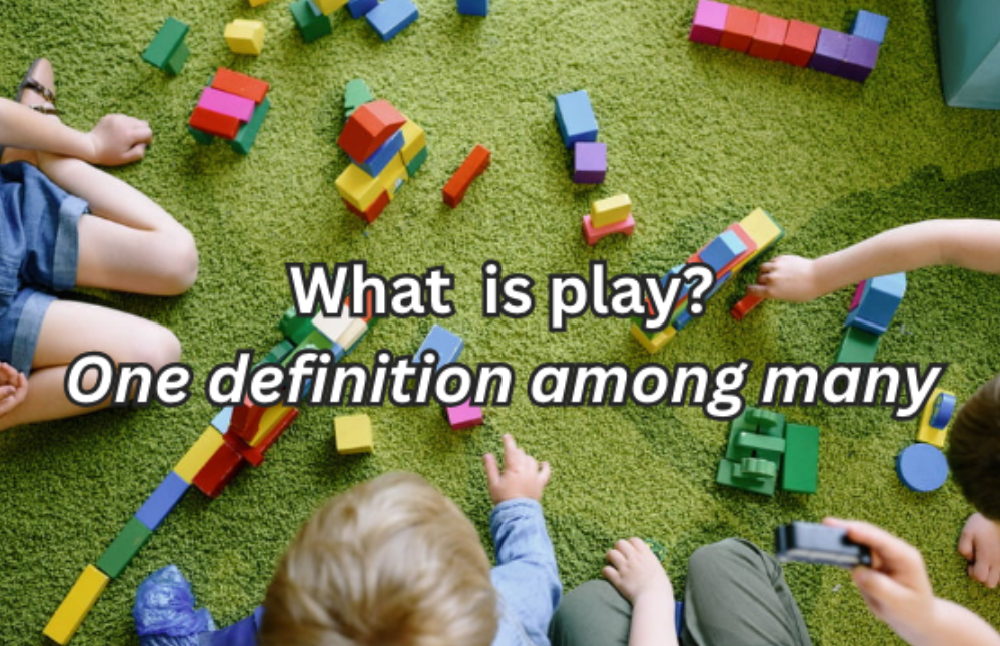
What is play? One definition among many
Research into play has struggled to create a single, all-encompassing definition for play that can directly answer the question: What is play? In this blog, I will cover some of the important features of play that have been developed in scientific literature and connect these features to Building Brains Together (BBT)’s definition of play.
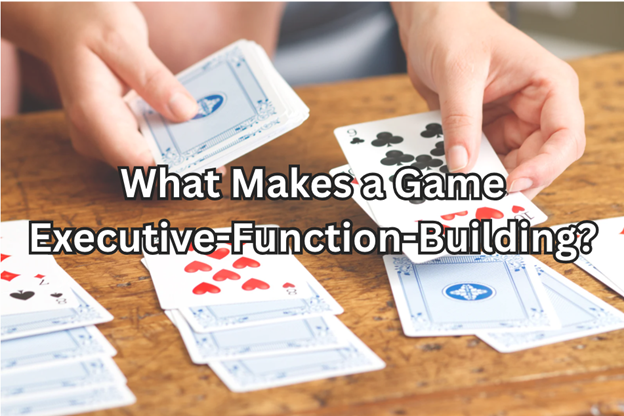
What Makes a Game Executive-Function-Building?
Have you ever wondered how we choose which games to include in our curriculums? While all kinds of play improve executive function, there are specific reasons why we’ve promoted each of our games as EF-building. Read this blog to learn more about what makes a game executive function building!
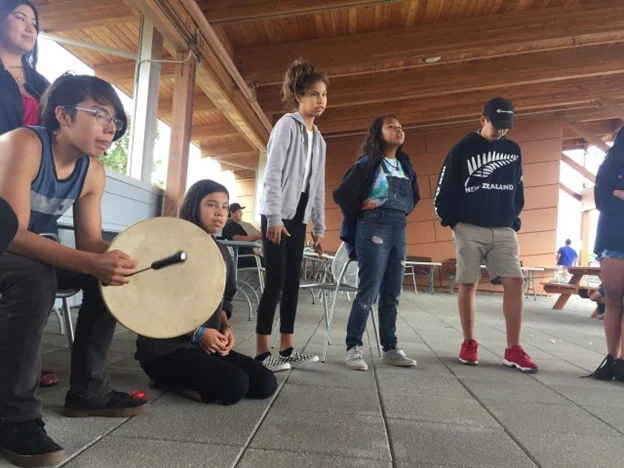
Demystifying University for Indigenous Youth Through Mentorship
Learn about the value and impact of the University of Lethbridge’s Indigenous mentorship program - not just on those being mentored but also on the person mentoring.
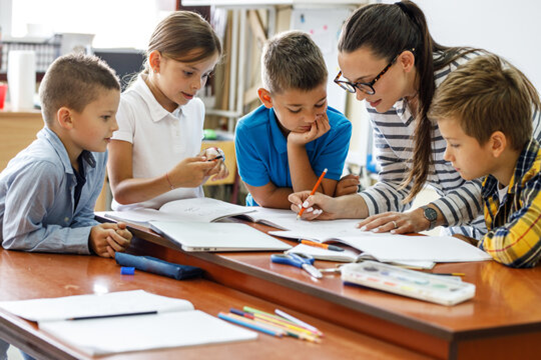
Is your child ready for preschool?
If preschool is an option you are considering, this blog suggests some skills that are worth working on at home before your little one starts.
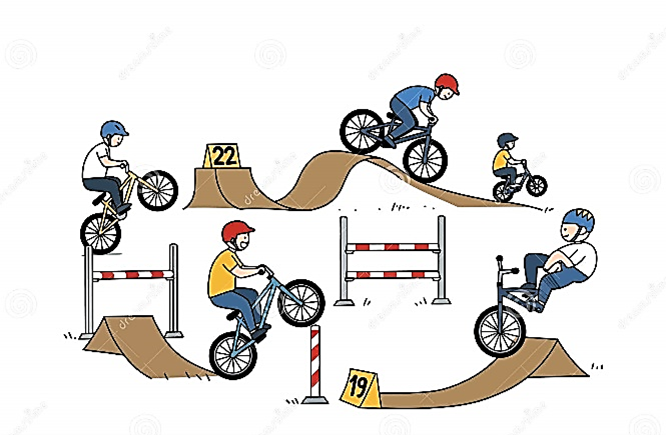
Awareness with Cycling and Bike Rodeo
Practice putting your helmet on in a safe way and practice cycling safety with your helmets on.
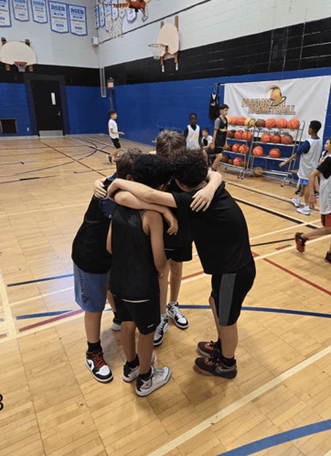
More Than Just a Game: How Sports Shape Children’s Neurodevelopment and Life Skills
The benefits of organized sports extend well beyond just physical health. Research shows that engaging in sports during childhood supports brain development and cognitive functioning (Tan et al., 2024). Other studies have shown that engaging in sports during childhood can be essential in developing transferable life skills that they can be carried into adulthood (Jacobs & Wright, 2017).
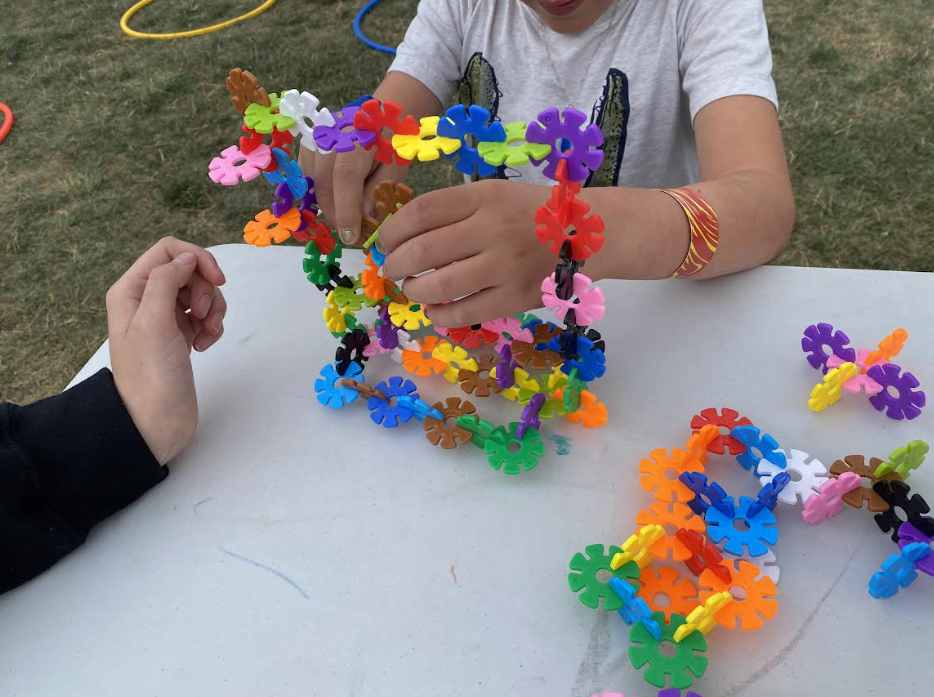
Understanding Executive Functions
Many of the challenges we experience in everyday life, like losing focus while studying, reacting impulsively, forgetting plans, or struggling to adapt when things change, are connected to a set of mental skills known as executive functions.
Executive functions (EFs) are a set of top-down cognitive processes that help us regulate our thoughts, emotions, and behavior (Diamond, 2013). In simple terms, they allow us to use our knowledge, experiences, and goals to guide our actions, especially when automatic responses are not enough. These processes are primarily managed by the prefrontal cortex (Miller & Cohen, 2001). They are essential for sustaining attention, adapting to change, and working toward long-term goals.
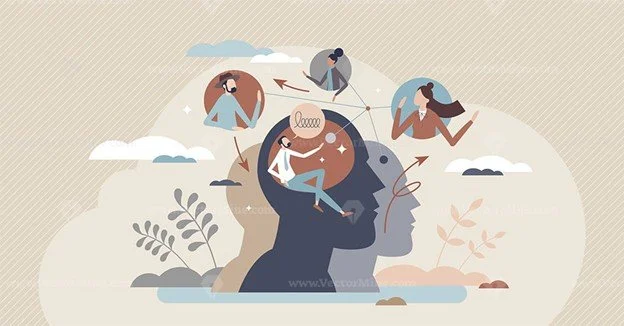
Why is Socializing Important for the Development of our Brains
Socializing is often misunderstood as a personality trait or something only “extroverts” enjoy. In reality, social connection is not optional. It is biological. From infancy to old age, our brains are shaped by the relationships we form and the conversations we share.

Connecting to the Land Through Movement
When Indigenous cultures speak about movement, wellness, identity and land, they understand them as inseparable (n.d.). When you come in and take one part of that web, such as sport, you see that it cannot be separated from land. Sport is an extension of land-based living and traditional ways of moving. Organizations like North American Indigenous Games (NAIG) and the Alberta Indigenous Games (AIG) create environments where youth reconnect to place through culture, ceremony, and land-based activities. In this last blog entry, I explore how Indigenous sport becomes a pathway back to land connection.