Brain Building Blogs
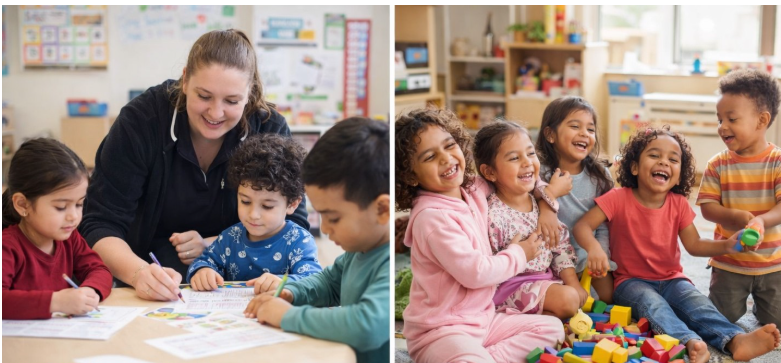
Child-directed and Adult-directed Play
In this blog we will be discussing the importance of adult-directed and child-directed play and their impact on a child’s brain development.
Busting Common Myths About the Brain
In this post, we dive into eight common myths about the brain, and explain what scientific research actually tells us.

How do siblings affect one another’s brain development?
This blog seeks to explore how sibling relationships help shape development through childhood into adulthood, specifically the development of a child’s, emotional regulation and social skills, through conflict, parent-sibling interactions and pretend play.
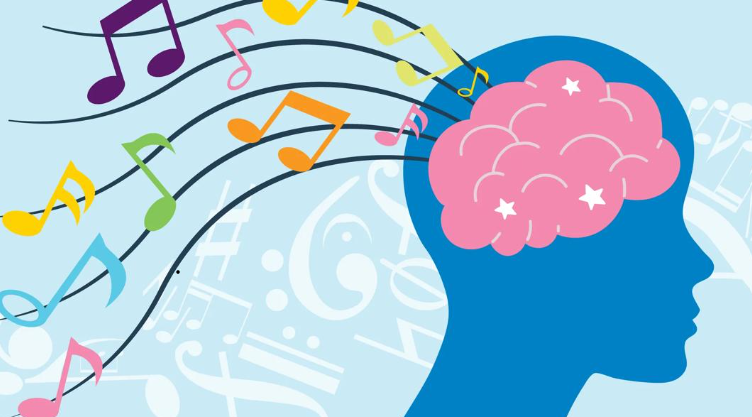
The Benefits of Playing an Instrument
This blog post will highlight some of the benefits of learning to play an instrument and the resulting impacts on your brain!
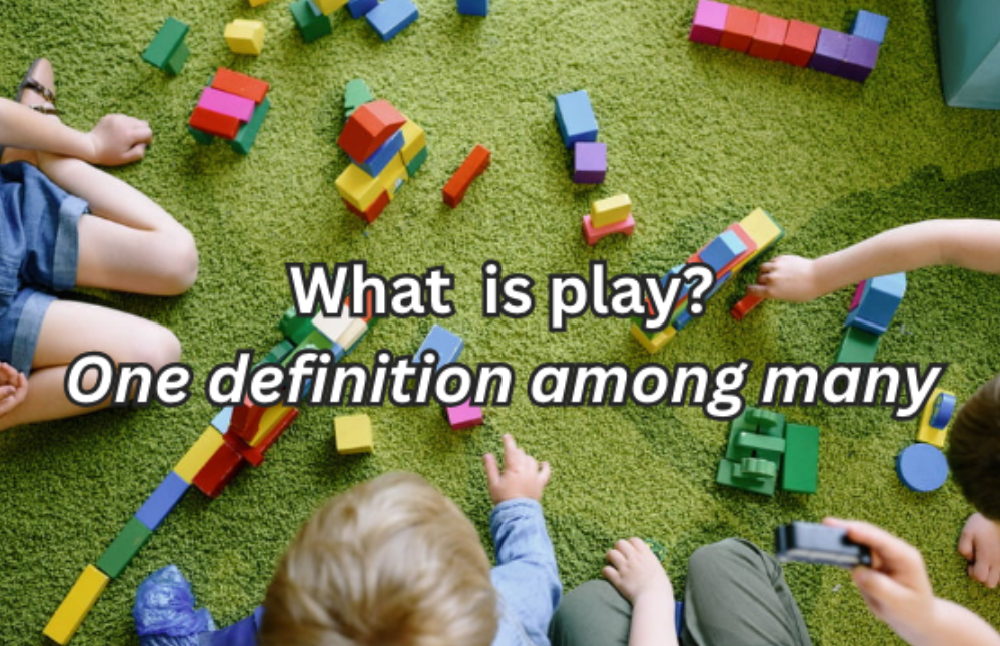
What is play? One definition among many
Research into play has struggled to create a single, all-encompassing definition for play that can directly answer the question: What is play? In this blog, I will cover some of the important features of play that have been developed in scientific literature and connect these features to Building Brains Together (BBT)’s definition of play.

What Makes a Game Executive-Function-Building?
Have you ever wondered how we choose which games to include in our curriculums? While all kinds of play improve executive function, there are specific reasons why we’ve promoted each of our games as EF-building. Read this blog to learn more about what makes a game executive function building!

Is your child ready for preschool?
If preschool is an option you are considering, this blog suggests some skills that are worth working on at home before your little one starts.

Brain Foods
This blog will explore the facts and fiction behind “Brain Foods” as well as what real additions you can make to your diet to support your brain health.

Building Brains Community Action
As this blog will highlight, we return to LHA every week (in rain or shine, snow or wind) with a team of dedicated volunteers to bring our mission and opportunities to play outdoors to LHA families. Learn more about this community program by reading this week’s blog.

Neurodiverse Play
Is there a right way to play? This blog will explore the concept of neurodiversity and its implications for play, and likewise the development of executive function.

Bilingualism: Lifelong brain benefits
Read about the incredible role of bilingualism in supporting executive function, and consider the diverse ability of acquiring a second language to alter brain outcomes.

Technology and the Developing Mind: Striking the Right Balance
Screens have become a go-to for entertainment, education, and even parenting. But is this constant exposure helping or harming our kids?
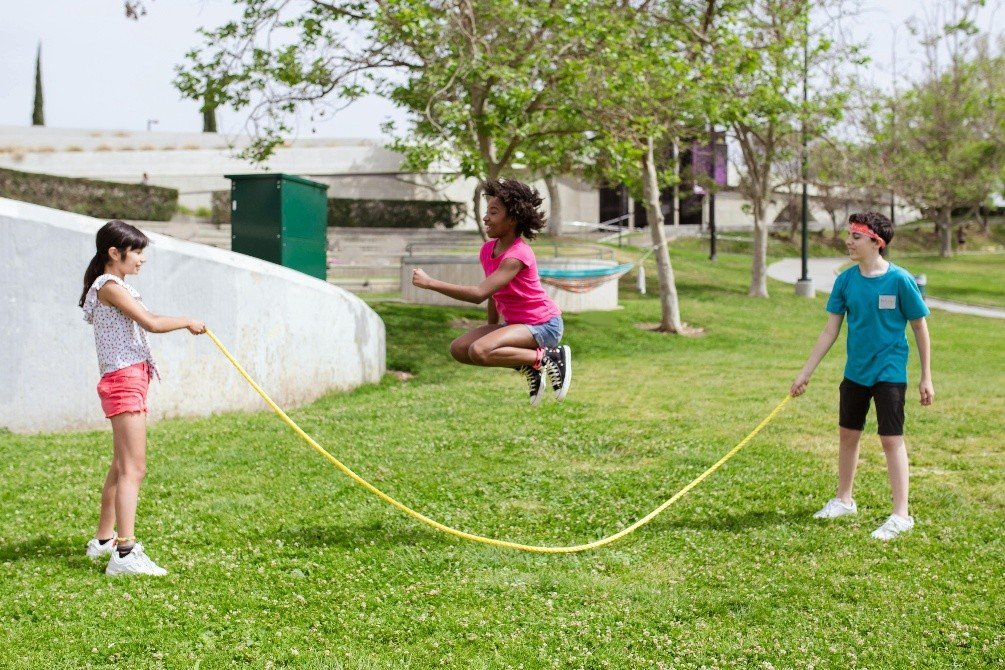
How Childhood Friendships Shape the Brain Forever
In this post, we explore how different types of childhood friendships, both supportive and challenging, contribute to emotional growth, mental well-being, and the development of executive function.
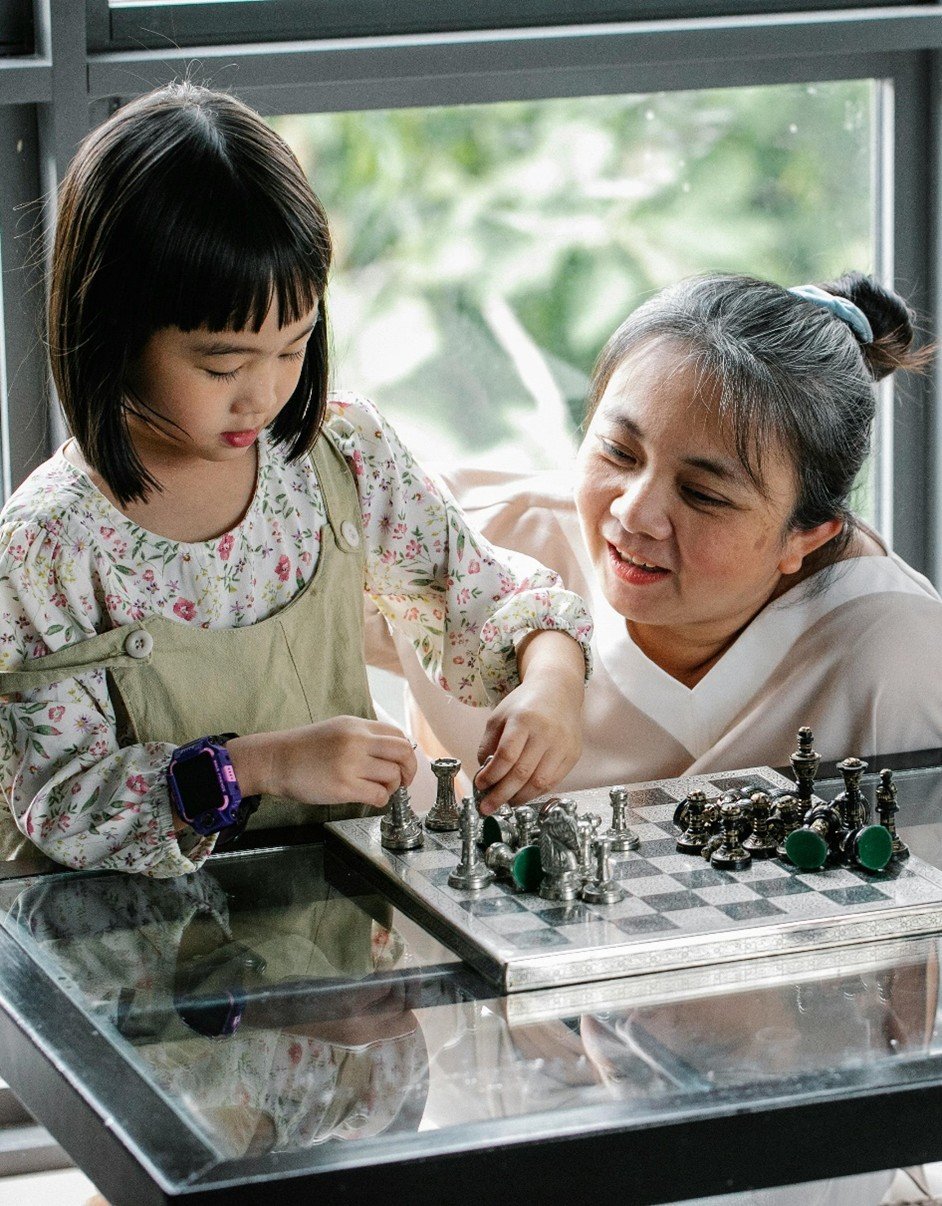
The Benefits of Chess in Building Young Minds
It’s easy to assume chess is just for serious thinkers or future grandmasters, but in reality, any kid can play, and the benefits go far beyond the game board.
Brain Benefits of Reading
It is crucial that children gain literacy skills and develop the “reading parts” of their brains at a young age so that they can be well-equipped to navigate their education, their relationships, their passions, and their future adult lives.

Games on the Go!
The goal of this blog is to provide you with a list of games that require no materials, and so can easily be done on the go and in or out of the house to help you find time to play every day!

Attachment Theory: Understanding Child-Adult Relationships
What is attachement theory and what can we learn from it to help shape our interactions with children?
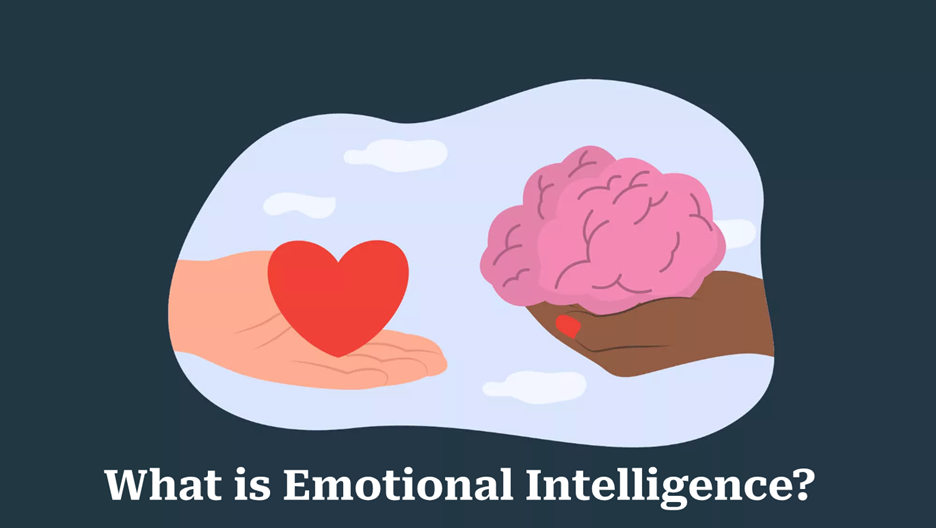
What is Emotional Intelligence?
If emotional intelligence can both serve as a tool to help us understand and express our thoughts and feelings, clarify our behaviours and interactions with others, and make us more resilient, then we really ought to find some ways to practice.
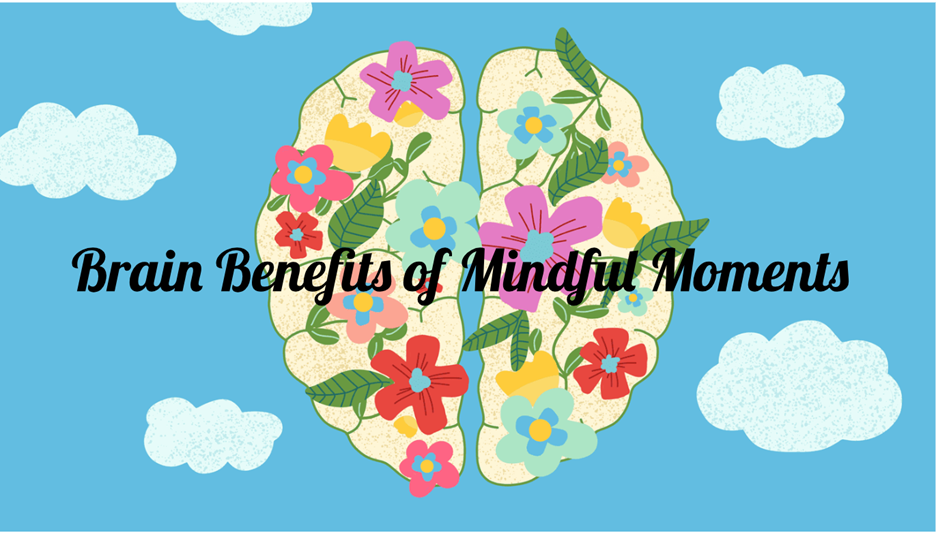
Brain Benefits of Mindful Moments
Have you ever felt overwhelmed in the middle of your day, had a hard time falling asleep, or experienced difficulty expressing your emotions? If so, you may benefit from learning about mindfulness and taking time for a mindful moment the next time you experience one of these common issues.

Back to School Readiness
Without the right support, some kids may lack what’s called “school readiness”. In this blog, I will introduce you to the concept of school-readiness, and how you can use resources from Building Brains Together to help prepare your child for school.