By Demi Good Rider
Introduction
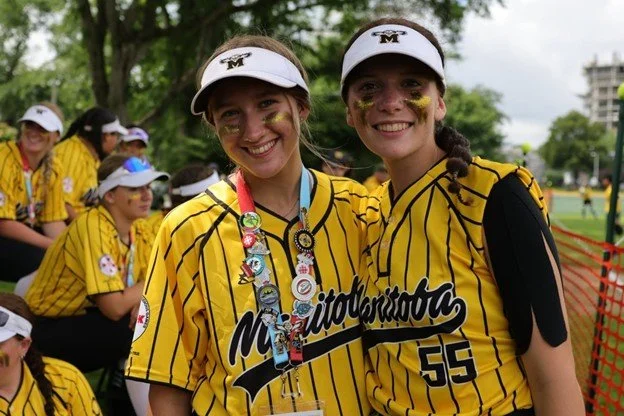
Picture this. You’re an adolescent athlete entering your first international competition. During the opening ceremony you hear the sound of drums and feel it in your chest before you even step out into the stadium. Finally, you make it out into the stadium and see your nation’s flag. You look out at the crowd and the people standing right beside you. You are surrounded by your peers from across Turtle Island. In that moment, a sense of magic and belonging settle in, a feeling you may never have experienced in a setting like this before.
Why Self-Esteem Matters for Indigenous Youth
Self-esteem plays a crucial role for wellbeing of Indigenous youth. One study notes that higher self-esteem (linked to mindfulness) relates to lower psychological symptoms and trauma difficulties (Dion., 2017). Much of this trauma stems from historical experiences, particularly Residential Schools, and its impacts continue to affect Indigenous youth today.
Despite these adverse challenges I find that many of the youth I have come in contact with show remarkable strengths and gifts. One strength that consistently stands out is their deep sense of empathy. Even when they have faced hardship, this empathy fuels a desire to support themselves, their families, and their communities. However, I often see that they do not know where to begin. This is where self esteem becomes important, because when youth feel confident in who they are and what they can do, they are more likely to take those first steps toward helping themselves and others.
Mechanisms That Build Self-Esteem
Sport is an excellent starting point because it naturally contains many of the building blocks needed to build self-esteem. Organizations like the North American Indigenous Games (NAIG) and the Alberta Indigenous Games (AIG) combine sport with culture, creating environments designed specifically for Indigenous youth.
These organizations foster:
· Mastery experiences
· Positive identity reinforcement
· Cultural pride
· A sense of peer belonging
· Mentorship
· Celebration of Indigenous accomplishment
When Indigenous youth are placed in situations where they can experience success, the likelihood of positive outcomes increases. This is why sport is a powerful medium for building self-esteem. Youth come face-to-face with their own accomplishments in real time.
Psychologist Albert Bandura called this Mastery Experiences, moments where individuals directly experience success and begin to trust their own abilities (Lopez-Garrido, 2025, para.14). These moments strengthen identity, helping youth take pride in who they are and what they are capable of.
There is so much to take pride in as an Indigenous person. When Sarah-Lynn Knockwood stated “[When] you’re surrounded by 5000 Indigenous people you can’t help but feeling proud” I understood exactly what she meant (Bennet, 2023, 0:22). In these environments youth not only feel pride but also develop a sense of belonging among peers. They meet older athletes and coaches who may become mentors, and they witness Indigenous excellence being celebrated all around them.
What Makes AIG/NAIG Different from Mainstream Sport
AIG/NAIG have multiple components that differentiate them from mainstream sports. For one, there is a strong sense of cultural presence and safety, allowing people to express their culture in a very safe environment. There’s also a significant sense of representation within these organizations, as many of the athletes have Indigenous ancestry. It is very important for Indigenous youth to see this type of representation up close and personal. Additionally, there’s also a strong presence of elders, ceremony, and language (n.d.). NAIG has personally stated that they “work in a manner consistent with the cultural, spiritual, and traditional values of the peoples they represent (n.d.-a).
Conclusion
When Indigenous youth step into spaces like AIG or NAIG, the confidence they build goes far beyond medals or scores. It’s about feeling seen, supported, and rooted in who they are. Self esteem grows in community, in culture, and in moments where youth get to show up fully as themselves.
These moments of pride and confidence are powerful on their own but they are also part of something bigger. In the next part of this series, I’ll explore how movement and sport create meaningful connections to place, and why land remains at the heart of Indigenous wellness.
If you would like to get involved with AIG or NAIG here are their website links:
https://albertaindigenousgames.com/
References:
About Us. North American Indigenous Games Council. (n.d.-a). https://www.naigcouncil.com/about
Bennett, D. (2023, September 30). Inside The North American Indigenous Games. YouTube. https://www.youtube.com/watch?v=MVkLoZU1Nj4
Culture. North American Indigenous Games Council. (n.d.). https://www.naigcouncil.com/culture?utm_source=copilot.com
Dion, J., Paquette, L., Daigneault, I., Godbout, N., & Hébert, M. (2017). Validation of the French version of The child and adolescent mindfulness measure (CAMM) among samples of French and Indigenous Youth. Mindfulness, 9(2), 645–653. https://doi.org/10.1007/s12671-017-0807-x
Lopez-Garrido, G. (2025, May 1). Self-efficacy: Bandura’s theory of motivation in psychology. Simply Psychology. https://www.simplypsychology.org/self-efficacy.html
https://www.vecteezy.com/photo/32201598-traditional-indian-teepee-in-the-prairie-with-blue-sky-and-clouds-first-nations-tipis-on-the-open-prairies-of-north-america-ai-generated