What Makes an Indigenous Athlete? Beyond Physical Skill
By Demi Good Rider, BSc Kinesiology
When we think of athletes, we often picture someone scoring the winning goal, crossing the finish line first, or claiming a trophy. But for Indigenous athletes like Kenzy, a part Cree and part Blackfoot jingle dress dancer, and Kelly, a Siksika fastball and volleyball player, athleticism means something much deeper. It’s not about the scoreboard, it’s about who you become in the process.
Disclaimer A quick note on this, Kenzy and Kelly’s stories come from their specific experiences as Cree and Blackfoot women. Other Indigenous nations, male athletes, and people from different backgrounds will have their own unique journeys. These stories are theirs and not a reflection of all Indigenous athletic experiences.
Athleticism Was Never Just Physical for Us
When Kenzy talks about dancing, she doesn’t start with technique or competition rankings. She starts with gratitude. Even when her calves burn during a performance, even when she doesn’t place the way she hoped, she reminds herself that some people don’t even have the ability to dance. That shift in perspective, from ”Did I win?” to “Am I grateful to be here?”, changes everything about how she shows up.
Kelly describes the same thing in a different way. When her team is losing, when she’s not playing her best, humor and connection with her teammates matter more than the scoreline. “It doesn’t even matter because everyone’s laughing, cracking jokes, and just having a good time,” she says.
This isn’t just positive thinking. It’s a cultural value rooted in Indigenous ways of seeing the world. Where a focus on community, gratitude, and the whole person rather than individual achievement alone is shown (Ferguson et al., 2018).
The Land as the First Training Ground
For both athletes, the land itself is a teacher. Kenzy feels connected to the land every time she practices, imagining herself at powwows and dancing on different tribal territories. Mountains feel meaningful to her. Being outdoors while doing what she loves makes her grateful to be who she is and where she is in that moment.
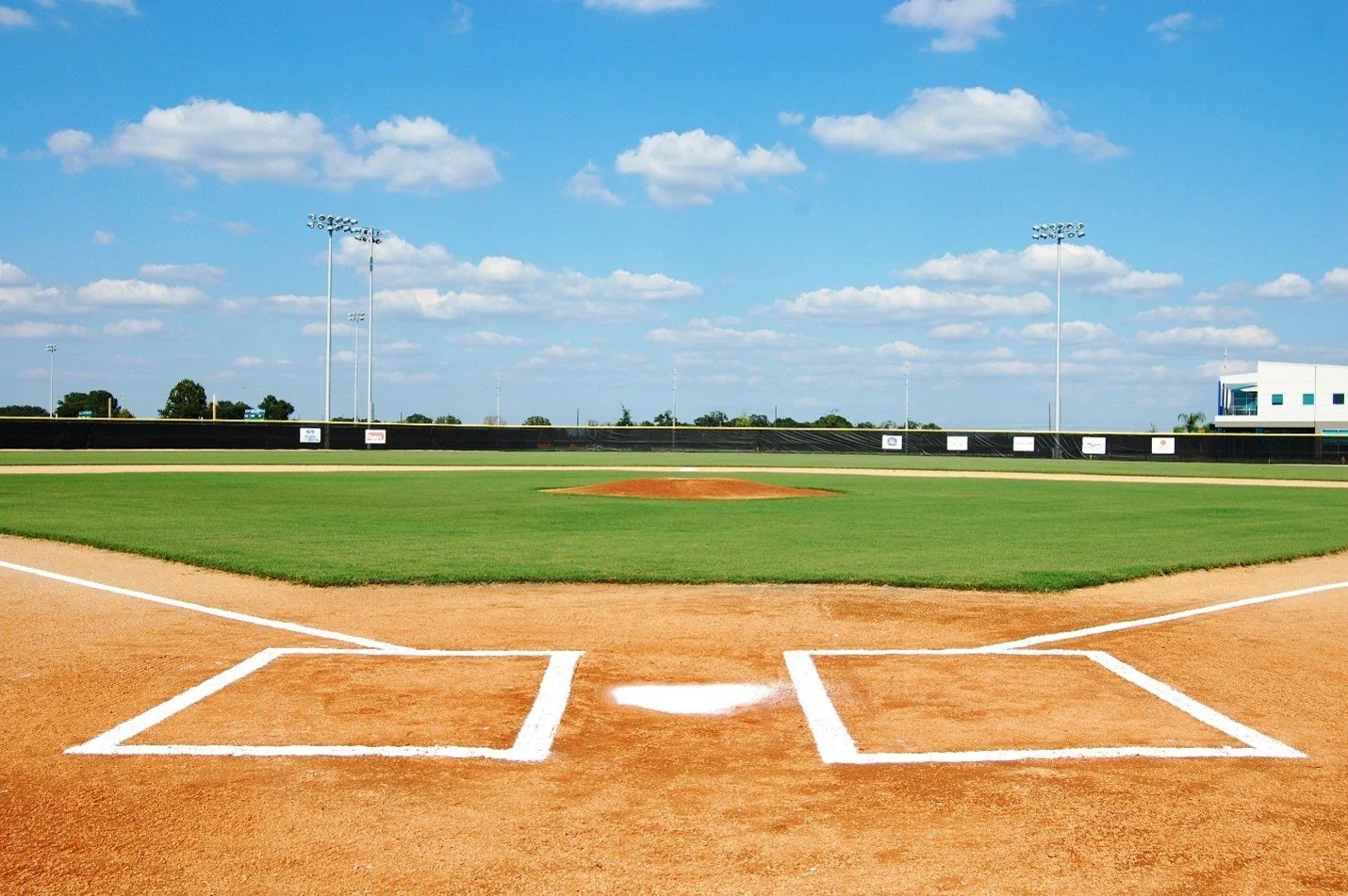
Kelly experiences this through fastball. When she plays outfield, she sweeps the grass and connects with the land. She loves diving and sliding on the ground because, as she says, “that’s how much I love the land.” The physical contact with earth grounds her in something bigger than the game itself.
For Indigenous athletes, the land isn’t just a field or a venue. It’s a relationship that deepens their sport and their sense of belonging.
Values That Shape the Indigenous Athlete
Kenzy’s grandmother Arlene taught her that thoughts are powerful. If you think negatively, more negative things come to you. If you think positively, things start going your way. This isn’t about ignoring real challenges, it’s about choosing resilience. When Kenzy gets injured, instead of spiraling into “I can’t dance for so long” she reframes it as “Maybe my body just needed to rest.” When she doesn’t place, she reminds herself that it’s not about winning, it’s about showing up and doing her best.
Kelly’s dad taught her how to be humble and kind. After every game they debrief. When Kelly spirals into “I suck, everyone sucks,” her dad responds, “No, quit thinking like that. You’re a good player. Encourage your teammates. Focus on your play.” These conversations flip switches in her mind. She also learned from coaches that how you practice is how you play, so she brings her best effort every single time.
Both athletes also carry teachings from elders about not giving up, chasing what you love, and respecting everything you wear and do. Kenzy smudges before she dances and calls her name before traveling. As a form of prayer, Kelly repeats Blackfoot words like Iikakimaat
(try hard) to ground herself when doubt creeps in. Using her language connects her to her spirit and pushes her further.
The Emotional Side of Being an Indigenous Athlete
Being an Indigenous athlete comes with specific challenges that non-Native athletes just don’t experience in the same way. Growing up in Siksika Nation, Kelly experienced racism from umpires when playing fastball against non-native teams. At times, when she was faced with more skilled non-native teams, she carried the weight of wondering “Do I even belong here?”. Many other Indigenous youths experience these same challenges. But here’s what’s crucial, their sports can become places to heal from those struggles. For Kelly, stepping onto the field or the court isn’t just about athletic performance, it’s a way to reclaim her space and turn tough moments into real resilience.
Conclusion
Ultimately, what Kenzy and Kelly show us is that sports are about so much more than just physical drills or what the scoreboard says. It turns out the science completely backs this up, too. Organizations like Building Brains Together emphasize that kid’s brain and body can’t grow to their full potential without a strong network of social connection, cultural safety, and emotional support (Ferguson et al., 2021). Real athletic growth happens when kids feel like they truly belong while being grounded by their language, their mentors, and the land beneath their feet. When we teach young athletes to practice self kindness like Kenzy, or to lean into community and a good laugh like Kelly, we aren’t just training their bodies. We’re building their brains, lifting up their spirits, and helping them grow into awesome people long after the game is over.
References
Ferguson, L., Epp, G. B., Wuttunee, K., Dunn, M., McHugh, T. L., & Humbert, M. L. (2018). ‘It’s more than just performing well in your sport. It’s also about being healthy physically, mentally, emotionally, and spiritually’: Indigenous women athletes’ meanings and experiences of flourishing in sport. Qualitative Research in Sport, Exercise and Health, 11(1), 1–19. https://doi.org/10.1080/2159676x.2018.1458332
Ferguson, L. J., Girolami, T., Thorstad, R., Rodgers, C. D., & Humbert, M. L. (2021). “That’s what the program is all about… Building relationships”: Exploring experiences in an urban offering of the Indigenous Youth Mentorship Program in Canada. International Journal of Environmental Research and Public Health, 18(2), 733. https://doi.org/10.3390/ijerph18020733 Picture: Softball Field Wallpaper (51+ images)