Brain Building Blogs
What Happens When You “Flip Your Lid”?
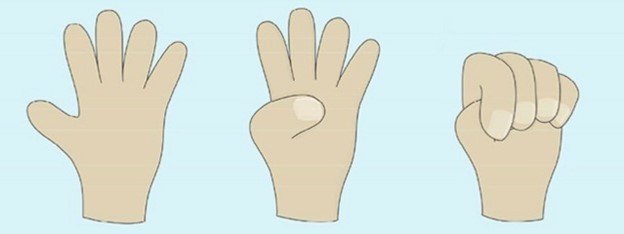
Have you ever heard of the statement “flipping your lid”? Find out why this term is used and the brain science beind it.

Adolescent Play
Adolescence is a unique developmental period in the lifespan with tremendous opportunity to implement play to improve executive function. Find out more in this blog post!

Cognitive Load – The Spoon Analogy
Feeling burnt out from your day? You might not have enough spoons to spend on your daily tasks.
Self-Regulation for all Abilities
Readers will build awareness of what self-regulatory behaviors are, influences that foster self-regulation, and learn practical strategies that support its development in individuals of all abilities.

Reimagining Play Through An Inclusive Lens
As a society, our outlook on neurodiverse culture has begun to shift and we are observing more inclusive programing in both recreation and education. This Blog looks at how we can reimaine play through an inclusive lense.

Easing the Post Holiday Blues
After the hustle and bustle of the holidays, January can sometimes present quite a different feeling. There are a handful of things we can do to help address feeling a bit “blue”.
Executive Function Basics Part 3:Practical Resiliency
This insightful blog post features Part 3 of Executive Function Basics: Practical Resilitency. “Instead of looking at resiliency as something we want to obtain to avoid difficult life challenges, it is about having the tools and supports to help us go through experiences and say- “wow, that was hard, but here’s what I can do to help myself moving forward.””

The Power of Play: Part 2
As a child grows their play will also grow and change but it will never lose its importance. Keep reading for some ideas on how to implement play in your elementary age children’s lives as well as with your adolescents.

Executive Function Basics: Creating Wellness Through Play
How do we connect Holistic wellness with building Executive Functions? Learn more in this blog post. Don’t miss part 2 of this post the first Thursday of October!

The Power of Play!
Is play really that important? Learn from this week’s blog about how play is a powerful tool in brain development and can begin the moment a child is born.

I read it online… should I believe it?
How can the scientific method be used in our online interactions? Find out more in this week’s Blog Post - I read it online… should I believe it? A review of how science works.

The Importance of Kindness
Every human being needs kindness in their lives. In this week’s Blog Post, read about the difference kindness can make in your life and others!

The Impact of Childhood Trauma on Individual Adult Relationships
This blog post looks at differnt ways childhood trauma can impact adult relationships.

PMS And The Brain
Both hormonal and neurological variables may play a role in the of PMS symptoms. Learn more in today’s Blog Post.

The Adolescent Brain and Mental Health
Adolescence is a time when mental health challenges are more likely to occur, and these may have permanent negative effects on the brain. Read more in today’s Blog Post.

Effects of Parent Mental Health on Children
Learn more about the impact of a parent’s mental health on a child’s development.

Stress in Children and Teens
Like adults, children may also experience stress however, it is not always easy to recognize stress in kids; this is especially true for younger children who are unable to accurately express and reflect on their emotions. This blog looks at identifying stress and supporting children when they are experiencing stress.

Effects of Adult Addiction on a Developing Child’s Brain
Today’s blog looks at how parental addiction impacts a child’s emotional, cognitive, and social development.

The Impact of a Sm:)e
Did you know that putting a smile on your face has direct benefits for yourself and everyone around you? Read today’s blog to find out more.

Sex Differences in Cognitive Function
What are the cognitive and structural differences between female and male brains? Find out more in today’s blog post.