Understanding Adolescent Brain Development
Understanding Adolescent Brain Development: Supporting Teens Through Growth and Change
By: Angela Peter, BSC Neuroscience,
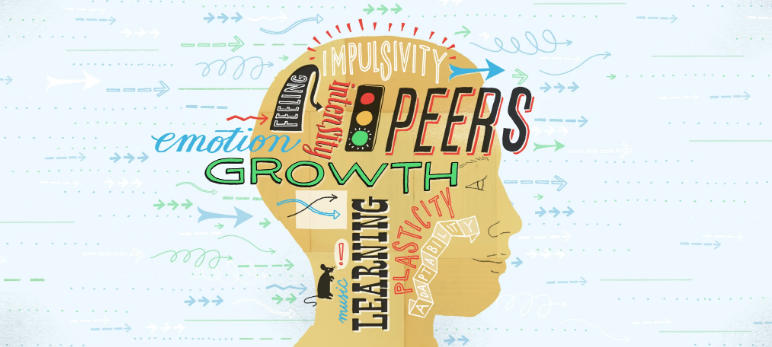
Adolescence is a major period of transformation in brain development. Teens are gaining independence, discovering their identities, navigating emotions, and learning how to manage responsibility. During this time the adolescent brain is highly adaptable and responsive to experience. Although teenagers may begin looking and acting more like adults, their brain is still undergoing important reconstruction. Understanding these changes can help parents, caregivers, and educators better support teenagers.
What Is Happening in the Adolescent Brain?
Spear (2013) describes this as a period of continued brain reorganization. In her paper she discusses an idea known as synaptic pruning, which is one of the hallmarks of brain transformation for adolescence. Synapses are connections that allow brain cells to communicate with one another. During this process, the brain slowly removes connections that are weak or used less often, and strengthens connections that are used regularly. This process helps the brain to become efficient and develop a mature organization. Another change is the increase in communication between brain regions, which support complex thinking and behaviours.
Rewards, and Decision Making.
The systems involved in planning, self-control and decision making are continuing development throughout adolescence. This makes teens especially sensitive to rewards, excitement and emotionally meaningful experiences. Van Duijvenvoorde, Van Hoorn and Blankenstein (2022) explain that increased sensitivity to rewards heavily influences decision making and can often contribute to riskier decision making.
However, we should not describe adolescence as reckless or unable to make good decisions. Their desire for new and rewarding experiences can also encourage learning, and independence. Adults can create opportunities for positive risk-taking by encouraging their kids to participate in sports, developing new skills, or taking on leadership roles. These experiences allow teens to seek excitement while building confidence, and responsibility, in supportive environments.
Why Peer Relationships Matter
Friendships and social acceptance become increasingly important during adolescence. Foulkes and Blakemore (2016) suggest that adolescents may be especially sensitive to certain information such as approval, criticism, acceptance and rejection. This can help explain why the opinions of friends can have strong influences on teenagers. Peer influence is not always negative, positive friendships can promote cooperation, confidence and belonging. Parents and caregivers can support teenagers by showing interest in their friendships without immediately criticizing or controlling them.
Welcoming spaces where teens can spend time with supportive friends can also help adults remain connected to this important area of their life. Resources such as YouthOne and Boys&Girls Club are wonderful at facilitating this! They create safe spaces for teenagers to foster their relationships with peers, and have meaningful connections with caring adults.
How Supportive Adults Can Help
Even as teenagers become more independent, they continue to benefit from reliable relationships with adults. Ratliff and colleagues (2023) found that strong and supportive parent-adolescent relationships were connected to better emotional regulation and adjustment. Important qualities to grow in these relationships include, openness, acceptance, and emotional responsiveness. When mistakes happen, adults can encourage reflection by asking questions such as, “what did you learn?” and “what could you try differently next time?” This approach keeps teens accountable while also helping them develop problem solving skills.
Sleep and Healthy Development
Sleep is another very important factor in adolescent brain development. Galván (2020) explains that sleep supports brain regions involved in cognition, learning and emotion. However, biological changes during this time can also make teenagers feel more alert later in the evening, which can make bedtime routines difficult. Families can support this by encouraging consistent wind down routines and by eliminating late night screen use. It is also helpful to approach sleep as an important health goal, and not as just treating tiredness.
Adolescence can be challenging, but it is also a time of wonderful growth and possibility. Teens are developing the skills and tools they will use for the rest of their lives. By providing connection, consistent guidance and room to learn, adults can help support teenagers through this stage of development to become confident and resilient.
Resources mentioned:
Youth One - Youth and Family Centre https://youthone.ca/
Boys & Girls Club https://www.bgcsouthernalberta.com/programs/youth-programs/lethbridge-youth-centre/
References:
Galván, A. (2020). The Need for Sleep in the Adolescent Brain. Trends in Cognitive Sciences, 24(1), 79–89.
Foulkes, L., & Blakemore, S. J. (2016). Is There Heightened Sensitivity to Social Reward in Adolescence? Current Opinion in Neurobiology, 40, 81–85.
Ratliff, E. L., et al. (2023). Supportive Parent-Adolescent Relationships as a Foundation for Adolescent Emotion Regulation and Adjustment. Frontiers in Psychology, 14.
Spear, L. P. (2013). Adolescent Neurodevelopment. Journal of Adolescent Health, 52(2), S7–S13.
Van Duijvenvoorde, A. C. K., Van Hoorn, J., & Blankenstein, N. E. (2022). Risks and Rewards in Adolescent Decision-Making. Current Opinion in Psychology, 48, 10145