Awareness with Cycling and Bike Rodeo
Did you know?
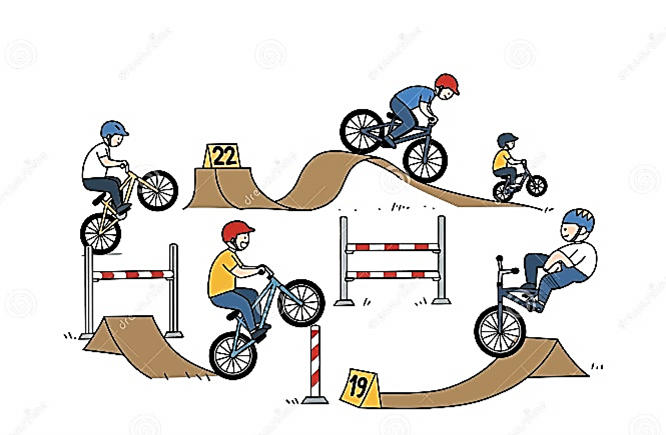
There are a significant number of children and youth who have been hospitalized for cycling-related injuries, some of which often persist as chronic health issues [1].
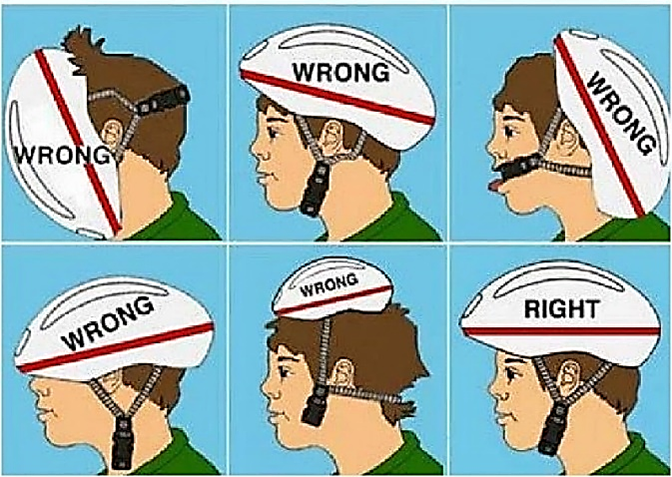
Many of children’s cycling accidents are due to improper placement of helmets while riding. If your helmet sits back too far or on the side, it can result in facial and head injury that may cause injury to the brain. Incorrect helmet wear was found more often in children 13 years and younger compared with older children [2].
When children and youth are not wearing helmets in sporting activities, there is an even greater risk for injury that could result in concussion or traumatic brain injury promoting well-fitting and good quality helmets [3].
It is important to keep in mind if you hit your head hard enough, it could result in acquired brain injury.
There are a number of disabilities and changes in thinking or emotions that could arise with brain injury. Some brain injuries can result in; bruising, bleeding, brain swelling, fever, lack of oxygen or blood to the brain, tearing of brain cells, increased pressure inside the skull, or tumors [4].
If you have had a bad injury to your head, see your Doctor for a follow up.
Also, the Alberta Brain Injury Initiative Survival Guide provides some valuable information. See Bike-Rodeo-Station-Guide.pdf for proper helmet use and fit to include eyes, ears and mouth checkpoints.''
What can we do?
Practice putting your helmet on in a safe way and practice cycling safety with your helmets on.
And don’t forget to have fun!
References:
Rosenfield, D., Fuselli, P., & Beno, S. (2024). Improving cycling safety in children and youth. Pediatric Child Health, 29 (5): 324-328.
Romanow, N.R., Hagel, B.E., Williamson, J. & Rowe, B.H. (2014). Cyclist head and facial injury in relation to helmet fit: a case-control study. Chronic Diseases and Injuries in Canada, 34 (1).
Bonfield, C., Shin, S., & Kanter, A.S. (2015). Helmets, head injury and concussion in sport. The Physician and Sportsmedicine, 43, (3): 236-246.
Alberta Brain Injury Initiative Survival Guide. Retrieved online March 2026 from: Alberta Brain Injury Initiative.
Images from Shutterstock and Dreamstime.com.